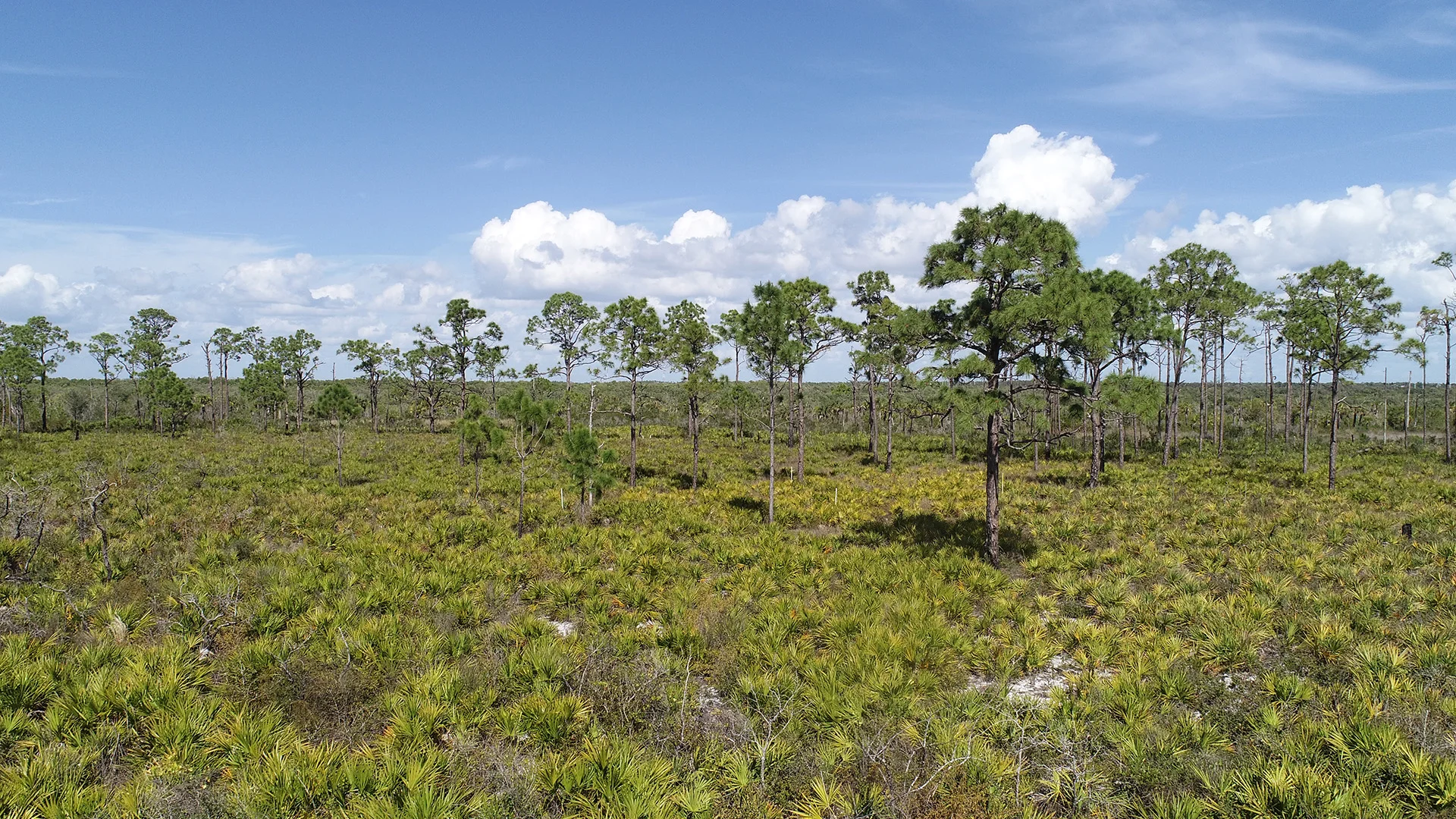
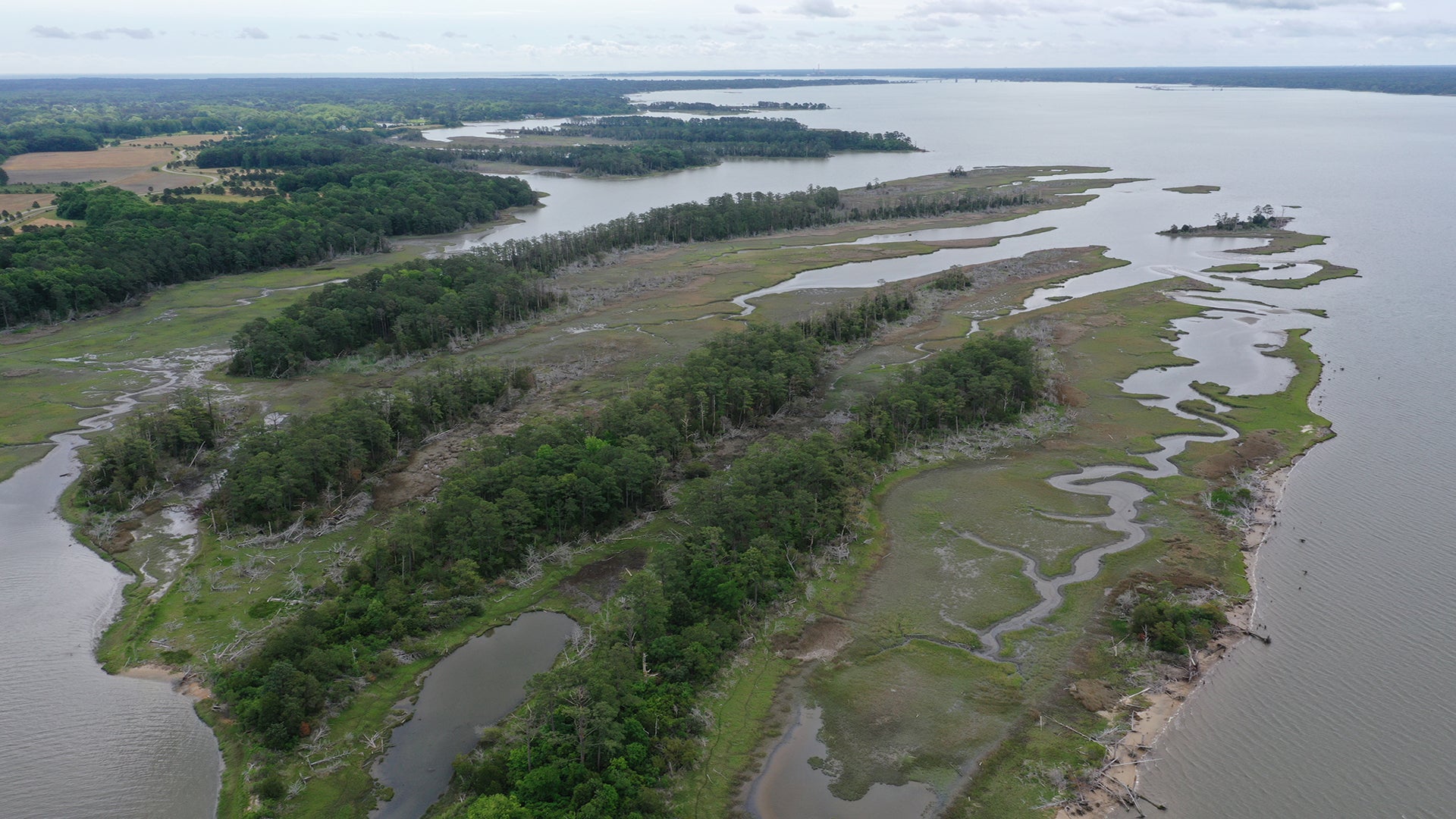
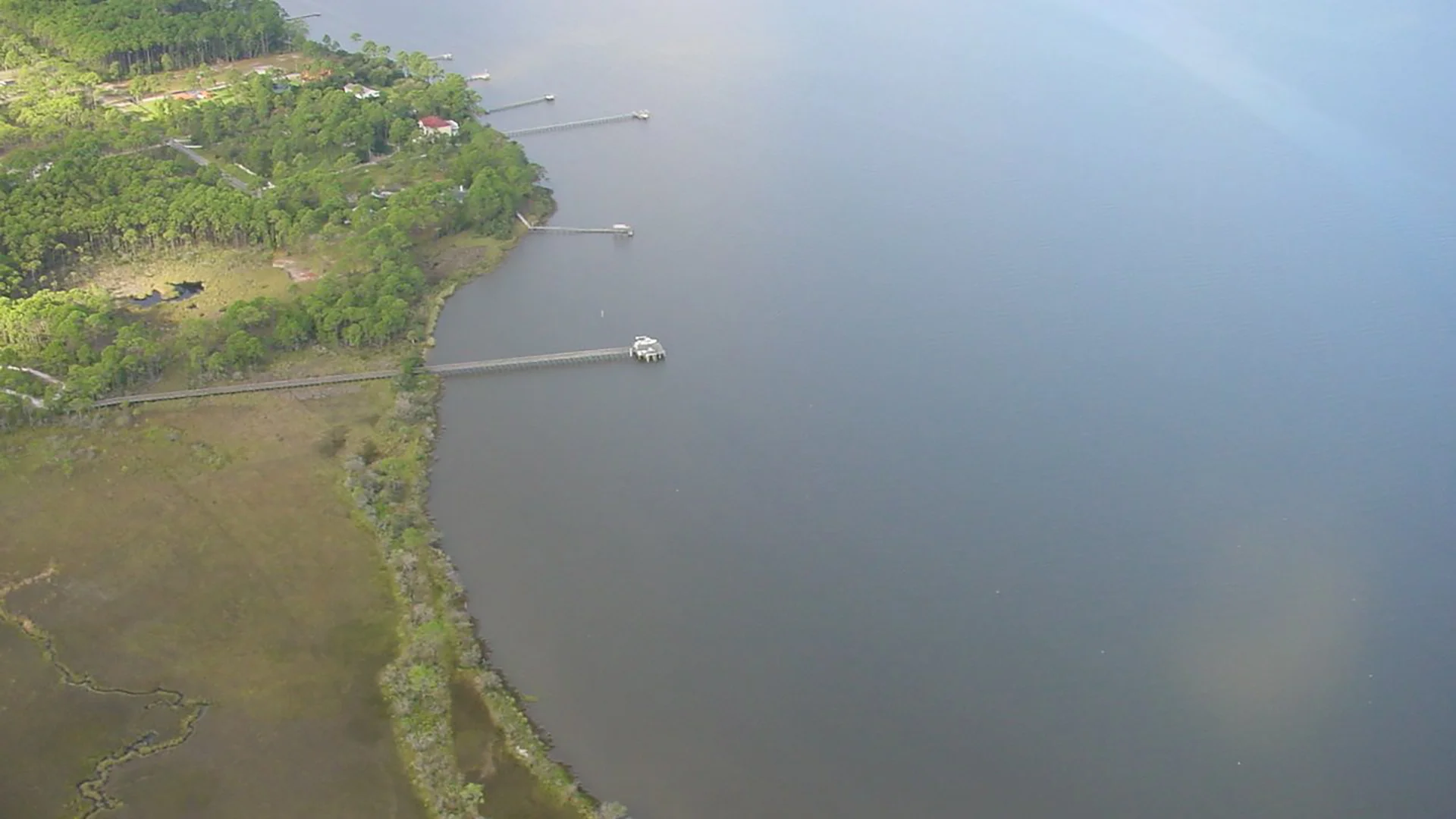
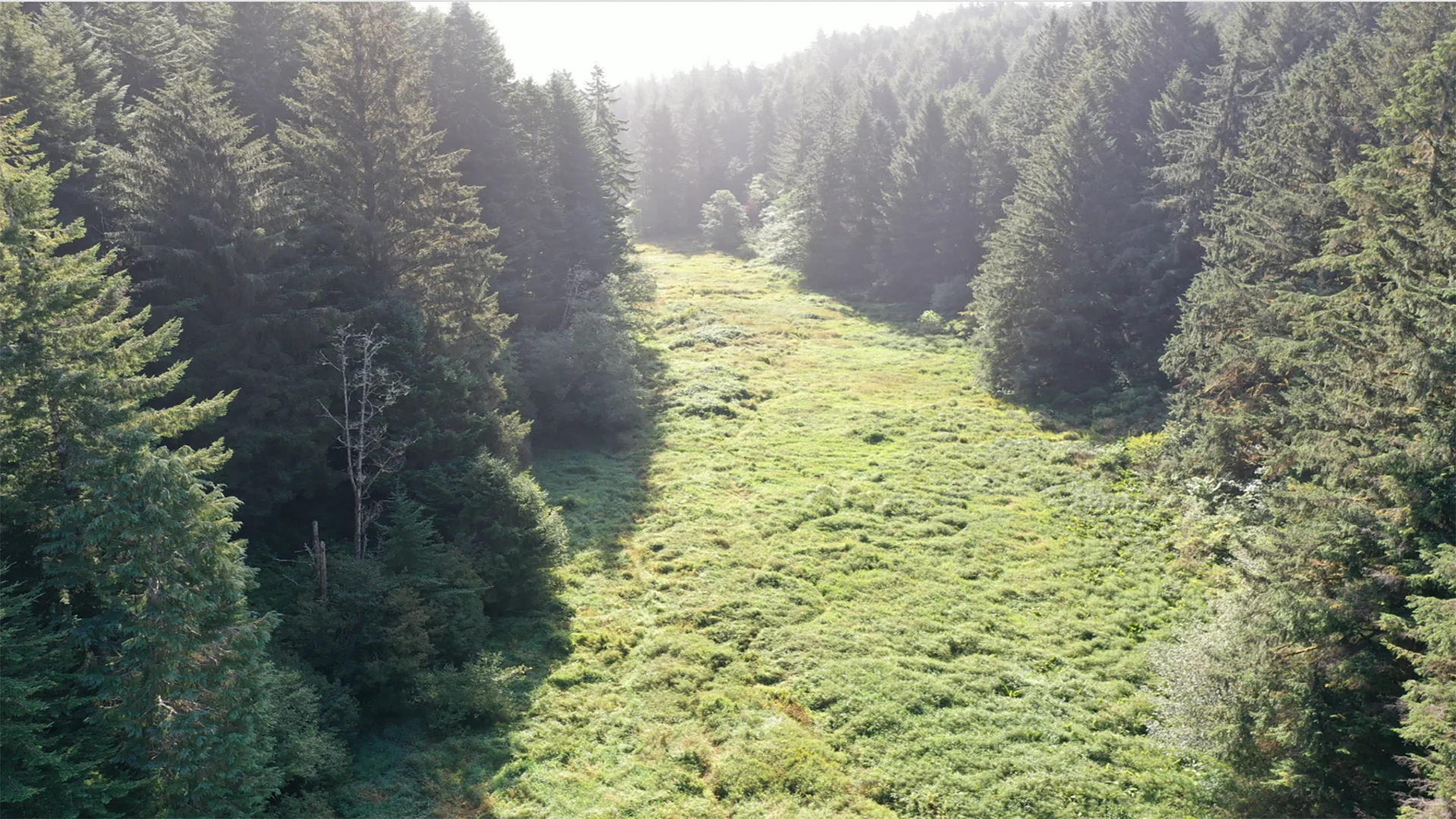
This project promoted access to drones for a wider community of users by transferring a protocol for drone-based wetland monitoring and evaluating its efficacy in assessing and monitoring emergent vegetation.
The Project
Visualizing changes in emergent vegetation due to storm events, climate change, and other anthropogenic stressors is integral to assessing the health of wetland ecosystems. Ground-based monitoring–a commonly used method to assess habitat health–can be labor intensive and damaging to vegetation in sensitive habitats, and can miss key differences in small-scale heterogeneous habitats. Satellite imagery offers solutions to the challenges of labor and potential damage to sensitive habitats but is expensive and sacrifices the high-resolution details needed for small-scale analysis. Uncrewed aerial systems (UAS), also known as drones, offer a lower cost, less invasive alternative to traditional ground-based monitoring for emergent vegetation that also provides higher resolution images than satellite-based imagery. “Drone the SWMP,” a 2020 NERRS Science Collaborative catalyst project, used UAS to monitor wetlands in six reserves, then assessed and developed a standardized protocol that includes equipment operation, image processing, and image analysis.
This project built on the work of Drone the SWMP by transferring their protocol for monitoring coastal wetlands and evaluating its efficacy in assessing and monitoring emergent vegetation across more reserves representing a wider range of biogeographic regions. Project activities included: beginning the development of a community of practice centered around drone use in the NERRS; qualitative assessment of the existing drone monitoring protocol; and production of a whitepaper to share the information gathered over the course of the project with the wider NERRS community.
The Impact
- Project activities increased overall drone monitoring capacity within the NERRS by supporting the development of a community of practice as well as UAS pilot certification of staff members at five more reserves.
- The summary reports produced through this project are available to all reserve staff and help position them to explore next steps for strengthening the community of practice and sharing information and expertise among the broader NERRS community.
- Expanding the number of reserve staff familiar with UAS technology and monitoring methods helped lower barriers to UAS-based monitoring and has moved reserve staff further toward addressing remaining knowledge gaps in the NERRS.